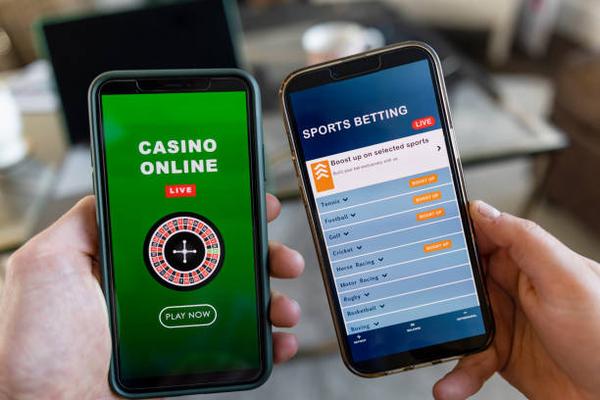
The Future of Sports Wagering on Digital Platforms
The future of sports wagering on digital platforms is poised to undergo significant transformation as technology, regulation, and consumer behavior evolve. Over the past decade, there has been a remarkable shift from traditional betting methods such as physical sportsbooks and telephone wagers to online platforms accessible via smartphones and computers. This transition has made sports wagering more convenient, faster, and more engaging for users around the world. As digital infrastructure continues to improve and new technologies emerge, the landscape of sports betting will likely become even more sophisticated, personalized, and integrated into everyday entertainment.
One of the key drivers shaping this future is the advancement in mobile technology. Smartphones have already revolutionized how people place bets by enabling them to wager anytime and anywhere with just a few taps on their screens. In coming years, improvements in network speed through 5G connectivity will enhance these experiences further by reducing latency during live betting events. Bettors will be able to receive real-time data feeds almost instantaneously while watching games or matches unfold. This immediacy opens up possibilities for dynamic odds adjustments based on live game developments and allows bettors to make smarter decisions quickly.
Artificial intelligence (AI) also promises to play an increasingly important role in digital sports wagering platforms. AI algorithms can analyze massive amounts of historical data along with current statistics to provide predictive insights that help both operators set accurate odds and players make informed bets. Personalized recommendations powered by machine learning may tailor promotions or suggest bets based on individual preferences and past behaviors-making the experience feel highly customized rather than generic. Moreover, chatbots equipped with natural language processing could offer 24/7 customer support or even assist users in understanding complex bet types without human intervention. Un site de paris sportif fiable attire les parieurs réguliers.
Another exciting area involves augmented reality (AR) and virtual reality (VR). While still emerging technologies within this space today, AR could overlay interactive graphics onto live broadcasts or physical environments where fans watch games at home or in public venues. Imagine pointing your phone’s camera at a screen during a basketball game only to see stats hover next to each player along with suggested wagers you can place instantly through your device interface. VR might create immersive sportsbook lounges where bettors can interact virtually with others worldwide while placing bets together inside realistic stadium replicas or casino settings-all from their living rooms.
Regulatory changes are equally critical for shaping how digital sports wagering evolves globally. Many countries are revising laws either legalizing online gambling outright or expanding existing frameworks that were previously aimed mostly at land-based operations. These legal shifts not only open markets but also impose stricter compliance requirements around responsible gambling measures like age verification tools, self-exclusion options for problem gamblers, limits on advertising targeting minors, transparency about odds calculation methods, fair payout guarantees ensuring trustworthiness between operators and users alike.
Cryptocurrency integration offers another potential frontier for innovation within digital sports wagering ecosystems going forward. Digital currencies such as Bitcoin facilitate fast transactions across borders without traditional banking intermediaries which often slow down deposits or withdrawals due to regulatory scrutiny or payment processor restrictions tied specifically to gambling-related accounts in certain regions worldwide. Blockchain technology additionally provides enhanced security benefits by recording all transaction histories immutably-helping prevent fraud while increasing accountability among stakeholders involved including bookmakers themselves.
Social features embedded directly into apps represent yet another trend gaining traction among younger generations who view betting less as isolated activity but rather part social engagement mixed with competitive gaming elements like leaderboards showing top winners among friends plus community forums sharing tips strategies news updates related sporting events all under one roof digitally connected seamlessly through mobile devices thereby boosting user retention rates dramatically compared against older static interfaces focused solely upon placing single wagers alone without much interaction beyond basic account management functions typical until recently.