Common Installation Mistakes to Avoid With an HVAC Line Set
When installing an HVAC line set, several common mistakes can compromise the system’s efficiency, performance, and longevity. Avoiding these errors is crucial for ensuring proper operation and preventing costly repairs down the line. One frequent mistake is improper sizing of the line set. Selecting a line set that is too small or too large for the system can lead to inadequate refrigerant flow, resulting in reduced cooling or heating efficiency. It is essential to match the line set size precisely to the manufacturer’s specifications to maintain optimal performance.
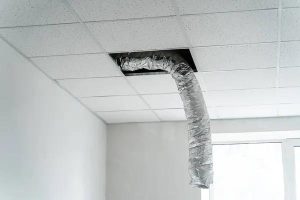
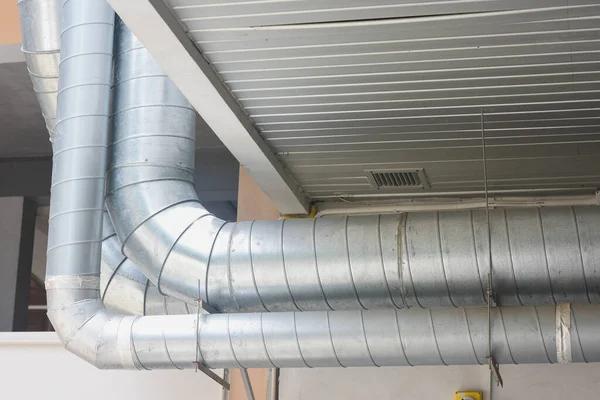
Another typical error involves incorrect routing of the line set. The tubing should follow the shortest and most direct path between the indoor and outdoor units while avoiding sharp bends or kinks. Excessive bends can restrict refrigerant flow and increase the risk of leaks. Additionally, line sets should be insulated properly to prevent energy loss and condensation buildup. Neglecting insulation or using inadequate materials can cause the refrigerant to warm up, reducing system efficiency and potentially leading to water damage from dripping condensation.
Failing to properly secure the line set is also a common oversight. Loose tubing can vibrate or rub against surfaces, causing wear and potential leaks over time. Using appropriate clamps and supports at regular intervals helps maintain stability and protects the line set from physical damage. It is equally important to ensure that the line set connections are tightened correctly. Over-tightening can damage fittings, while under-tightening may lead to refrigerant leaks. Using proper torque specifications and leak detection methods during installation helps prevent these issues.
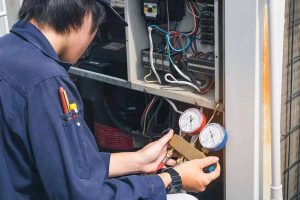
Another area where mistakes often occur is in the evacuation and charging of the system. Trapped air or moisture inside the line set can cause corrosion, reduce efficiency, and damage the compressor. Proper vacuuming of the line set before charging with refrigerant is critical to remove contaminants. Additionally, adding the exact amount of refrigerant specified by the manufacturer ensures the system operates at peak efficiency. Overcharging or undercharging the system can cause performance issues and increase wear on components.
Finally, failing to comply with local codes and manufacturer guidelines can lead to unsafe installations and void warranties. It is important to follow all regulations and instructions carefully. By avoiding these common mistakes—incorrect sizing, poor routing, inadequate insulation, loose securing, improper connections, insufficient evacuation, incorrect charging, and non-compliance with standards—installers can ensure the an HVAC Line Set functions reliably and efficiently for years to come.