Common Mistakes in residential roofing Installations
Residential roofing installation is a critical process that requires precision, expertise, and attention to detail. Mistakes made during installation can lead to costly repairs, reduced roof lifespan, and even structural damage. One common error involves improper flashing installation. Flashing is essential for directing water away from vulnerable areas such as chimneys, vents, and valleys. If not installed correctly or if inferior materials are used, water can seep underneath the shingles causing leaks and rot in the underlying structure.
Another frequent mistake is inadequate roof ventilation. Proper ventilation helps regulate temperature and moisture levels within the attic space. Without it, heat buildup can warp shingles and increase energy costs by forcing air conditioning systems to work harder. Moisture accumulation may also promote mold growth and wood deterioration over time. Roofers must ensure that intake vents at eaves and exhaust vents near ridge lines are balanced to maintain effective airflow.
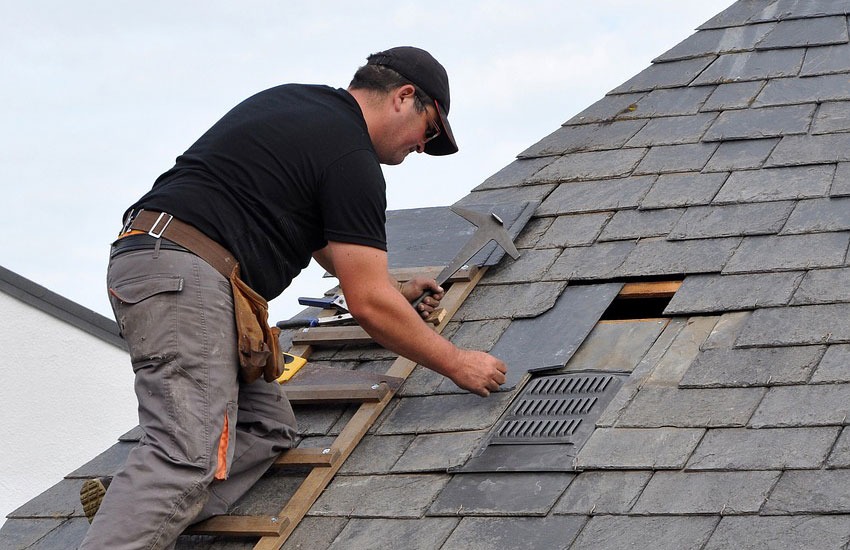
Incorrect shingle alignment also poses significant problems in residential roofing projects. Shingles must be laid out according to manufacturer specifications with precise overlap to prevent wind uplift or water intrusion. Poor alignment leads to gaps where rainwater can penetrate beneath explore the website protective layer of the roof covering, accelerating wear on decking materials below.
Using nails of inappropriate length or placement weakens shingle attachment as well. Nails should penetrate through the sheathing adequately but not extend too far beyond it which could cause internal damage or exposure issues inside attics or ceilings below.
Neglecting proper underlayment application represents another typical oversight during installations. Underlayment serves as an additional waterproof barrier between shingles and roof deck surfaces; skipping this step leaves roofs vulnerable especially during heavy rains before final coverings are complete.
Failing to inspect the roof deck condition prior to installation contributes further risks since damaged wood cannot provide stable support for new roofing materials leading potentially to sagging sections or accelerated deterioration after completion of work.
Additionally, rushing through installations often results in overlooked details such as improperly sealed joints around pipes or skylights which become entry points for moisture ingress resulting in interior damage over time.
Choosing incompatible roofing materials without considering climate factors reduces effectiveness; some shingles may not withstand extreme weather conditions prevalent in certain regions causing premature failure requiring early replacement efforts.
Lastly, poor cleanup practices post-installation pose hazards including leftover nails embedded in yards creating safety risks while debris accumulation on rooftops obstructs drainage paths increasing chances of pooling water formation damaging roofs further down line.
Avoiding these common mistakes ensures a durable residential roof that protects homes efficiently against environmental elements while maximizing investment value through longevity and performance reliability over many years following installation completion.